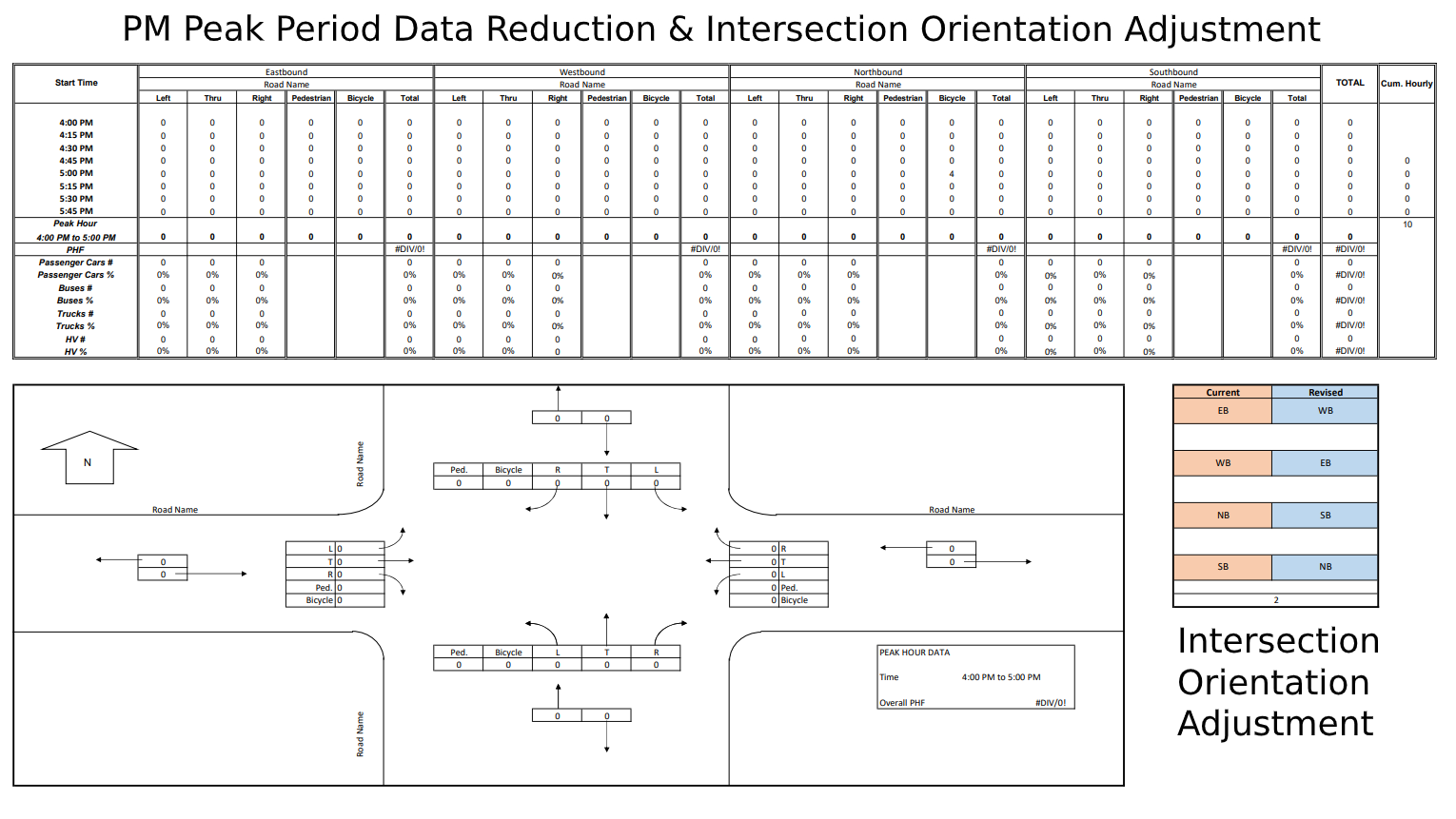
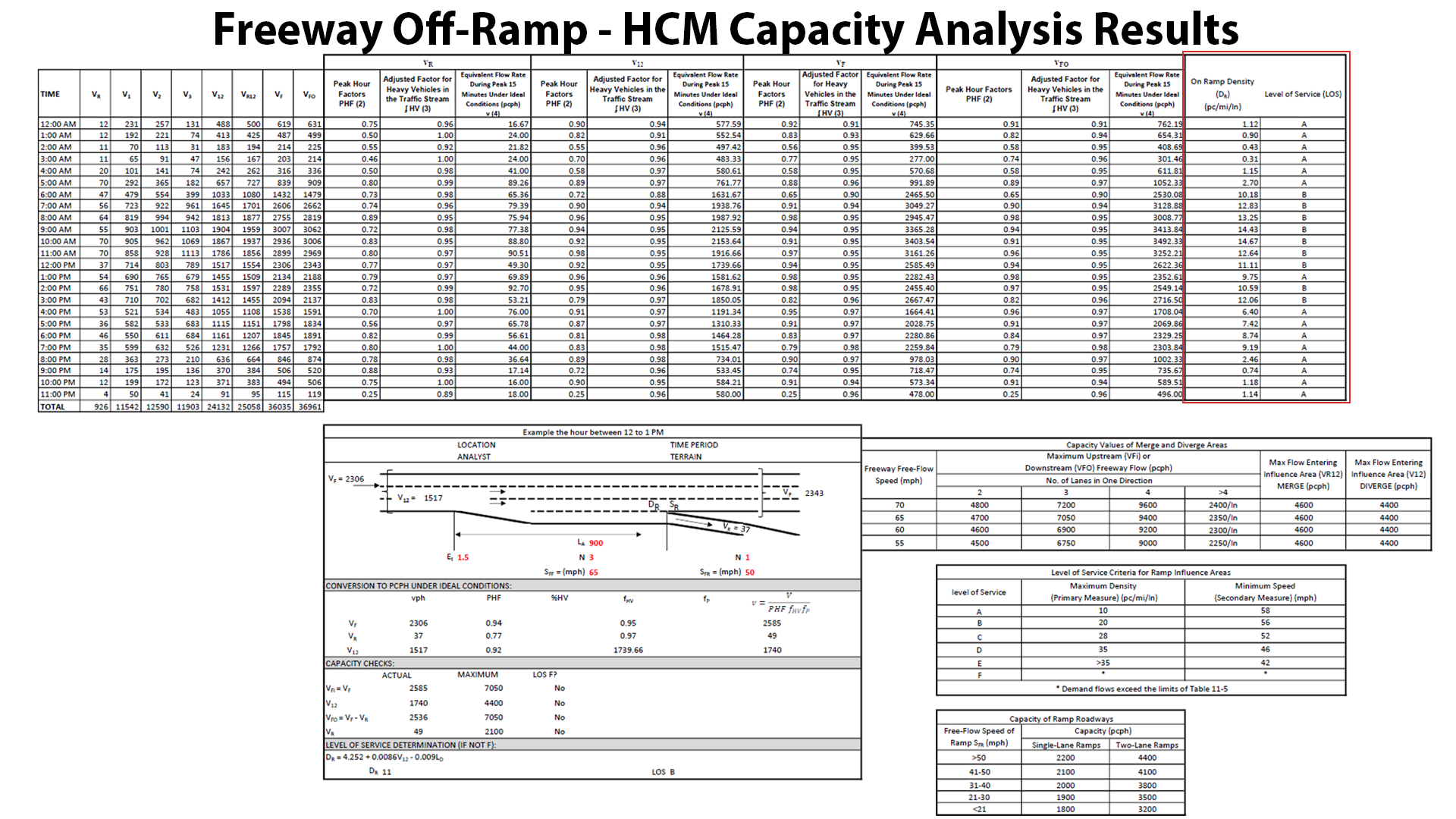
Capacity Analysis Results
SYNCHRO 10 analyses were conducted for the Study Area signalized intersections with existing conditions to identify traffic operation deficiencies associated with the current traffic control type, the current fixed traffic signal timing plans and with the recommended fully-actuated central adaptive traffic control type and the recommended traffic signal timing plans during weekday morning peak hour of the adjacent street system, afternoon peak hour of the adjacent street system, weekday afternoon peak hour of the adjacent street system, and Saturday midday peak hour of the adjacent street system. Total vehicle delay (seconds/vehicle), and volume/capacity ratio as defined by the Highway Capacity Manual (HCM) 6th Edition, Chapters 18 and 19, and storage/queue analysis (95th percentile queue length), were utilized to measure and evaluate the current and the future recommended traffic operations with current street system characteristic.
Results of the Macroscopic SYNCHRO 10 analyses for 2019 existing conditions without the recommended traffic control, show that the Study Area intersections operate at capacity during all peak hour and operates with deficiencies with current intersection lane arrangement, current traffic control type and current phase times and sequence. Field observations clearly indicate that all approaches operate with delays and vehicle queues overflow the available storage space during weekday and weekend peak hours.
The SIMTRAFFIC 10/VISSIM 10 simulation models were utilized to assess the traffic operation deficiencies and delays within the Study Area intersections. The model prepared to complete the Study was calibrated and validated in order to interpret the results accurately. The model utilized a 15-minute seeding time to fill the network with traffic and fifteen-minute recorded intervals to see how quickly the network recovers from congestion. These intervals are recorded for animation, reports and static graphics. Performance measures compatible with the Measures of Effectiveness from the SYNCHRO 10 model, such as total delay per vehicle (seconds/vehicle) and storage/queue length were identified. It realistically reflects attributes of the Study and was quantified for the proposed traffic signal phase times.